- Understanding the disease correctly: When the body "resists" insulin
Type 2 diabetes is a chronic disorder that disrupts the way your body uses and stores sugar (glucose) and other forms of energy.
- Sugar (Glucose)is the primary fuel for every cell.
- Insulinis the “key” produced by the pancreas, which helps bring sugar from the blood into the cells.
- In type 2 diabetes, your body becomes insulin resistance(the cells don't respond well), and over time, the pancreas doesn't produce enough insulin. As a result, sugar builds up in the blood, causing hyperglycemia.
Being overweight, especially fat stored in the abdomen and liver, increases the body's need for insulin, making the condition worse. If left untreated, prolonged high blood sugar can lead to many dangerous complications.
- Treatment goals: What should you aim for?
The main goal is to keep your blood sugar within target range and manage comorbidities (such as high blood pressure, high cholesterol) to minimize the risk of complications.
- Blood sugar control: The key to preventing complications
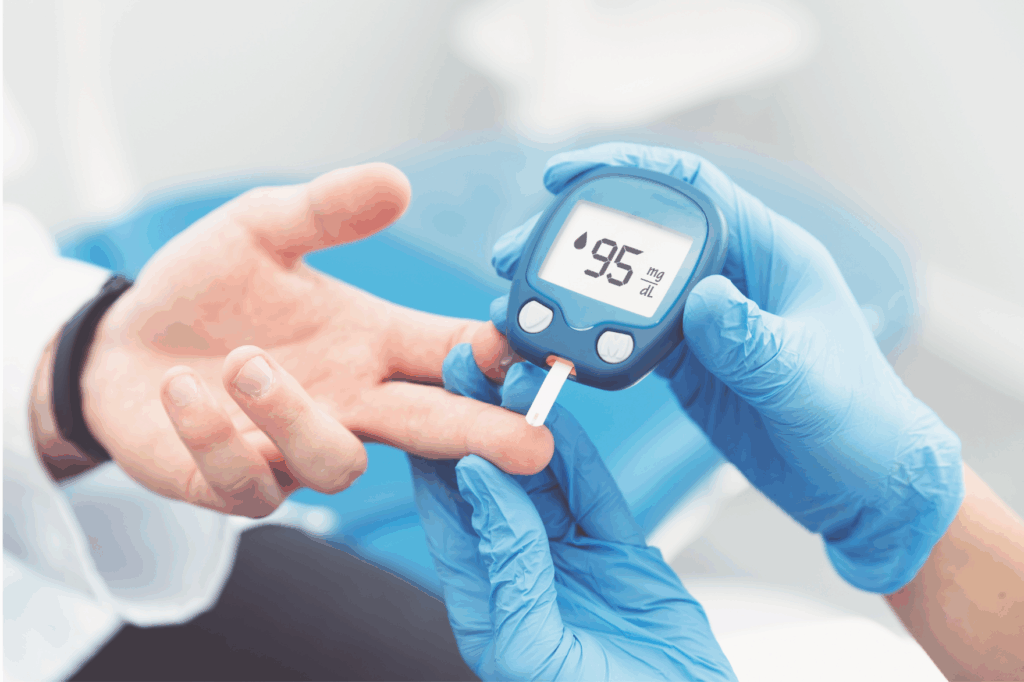
This helps prevent long-term damage to the eyes, kidneys, nerves, and heart.- Blood sugar monitoring at home:Your doctor may ask you to check yourself, especially if you take insulin or other medications that put you at risk for hypoglycemia.
- HbA1c test – “Measurement” of average blood sugar:This is a blood test that reflects your average blood sugar level over 2-3 months.
- The general HbA1c target is <7%, but will be thorough personalizationbased on your age, disease duration, comorbidities, and risk of hypoglycemia. Some people may aim for <6.5%, while others (such as older adults) may aim for <8.0%. Your doctor will help you determine the safest and most appropriate target.
- Protect your heart: Reduce the risk of cardiovascular complications
Cardiovascular complications (such as heart attack and stroke) are the most common and serious problem. You can significantly reduce your risk by:- Stop smoking.
- Good control of blood pressure and blood lipidsthrough diet, exercise and medication.
- Use low-dose aspirinif recommended by a doctor.
- The Golden Rule: Are Lifestyle Changes Really Important?
HAVE. Diet and exercise are the cornerstones of managing type 2 diabetes.
- Smart Nutrition:Dietary changes help control weight, blood pressure, and improve insulin response.
- The most important thing:Should be avoided completely. added sugars in soft drinks, canned fruit juices, and candies. At the same time, strictly limited Refined starches like white rice, white bread, noodles, pho… and replace with whole grains when possible.
- Portion controland choose healthy foods.
- Regular exercise:Exercise helps lower blood sugar by improving insulin sensitivity, even if you don't lose weight.
- Medication Groups: Which Is Right for You?
When lifestyle changes are not enough, medications can be a powerful aid.
- Metformin – First choice:Most newly diagnosed people will start with Metformin. It helps your body respond better to insulin.
- Side effects:Nausea, diarrhea, and bloating may occur, but these usually subside when taken with meals.
- Gastrointestinal side effects usually subside. If you experience them, you can ask your doctor about Metformin extended-release (XR/ER), causing fewer digestive side effects.
- When a second dose is needed:If your blood sugar and HbA1c are not at your target after 2-3 months, your doctor may recommend adding another medication. The choice will depend on your weight, your risk of hypoglycemia, your medical conditions, and cost.
Below are some common drug groups:
- Sulfonylurea group (Eg: Glipizide, Glimepiride):Stimulates the pancreas to produce insulin. Caution is advised as it may cause hypoglycemia and gain weight.
- DPP-4 Inhibitors (Eg: Sitagliptin, Linagliptin):Increases insulin secretion when eating, rarely causes hypoglycemia and does not affect weight.
- SGLT2 Inhibitors (Eg: Empagliflozin, Dapagliflozin):Helps eliminate sugar through urine. Very beneficial for patients with chronic heart or kidney disease. Possible side effects: urinary or genital infections.
- GLP-1 Agonists (Eg. Liraglutide, Dulaglutide, Semaglutide):The injection helps increase insulin secretion, reduce appetite and effectively support weight loss. Beneficial for the cardiovascular system. Common side effects are nausea.
- Insulin:Prescribed when oral medications are not effective enough, or initially if blood sugar is too high. Close monitoring is required to avoid hypoglycemia.
Note: All medications and regimens should be prescribed and monitored by a medical specialist.
- Living with the disease: How to no longer be a burden?
Living with type 2 diabetes can be stressful and anxiety-provoking at times. Monitoring your blood sugar, eating right, exercising, and taking medication every day is a big responsibility.
- You are not alone.Please share with family and friends for support and encouragement.
- Don't hesitate to talk to your doctoror your healthcare provider if you feel overwhelmed, discouraged, or have any questions about your treatment plan.
- Seek psychological supportfrom counselors or social workers when needed. Taking care of your mental health is just as important as controlling your blood sugar.