Colorectal cancer is becoming more common in Vietnam, but the good news is that you can reduce your risk by choosing smart foods, combining exercise and a healthy lifestyle. This article will guide you on what foods to eat and what to avoid to protect your colon, in an easy-to-understand, easy-to-remember way.
Why is diet important?
Colorectal cancer is one of the most common cancers in Vietnam, with about 17,000 new cases per year (Globocan 2022, updated 2024). Studies show that a healthy diet, exercise, maintaining a healthy weight, and limiting alcohol can reduce the risk of disease by more than 30%. Let's explore the foods that help protect and the foods to avoid!
Preventive Nutrition: What to Eat to Protect Your Colon?
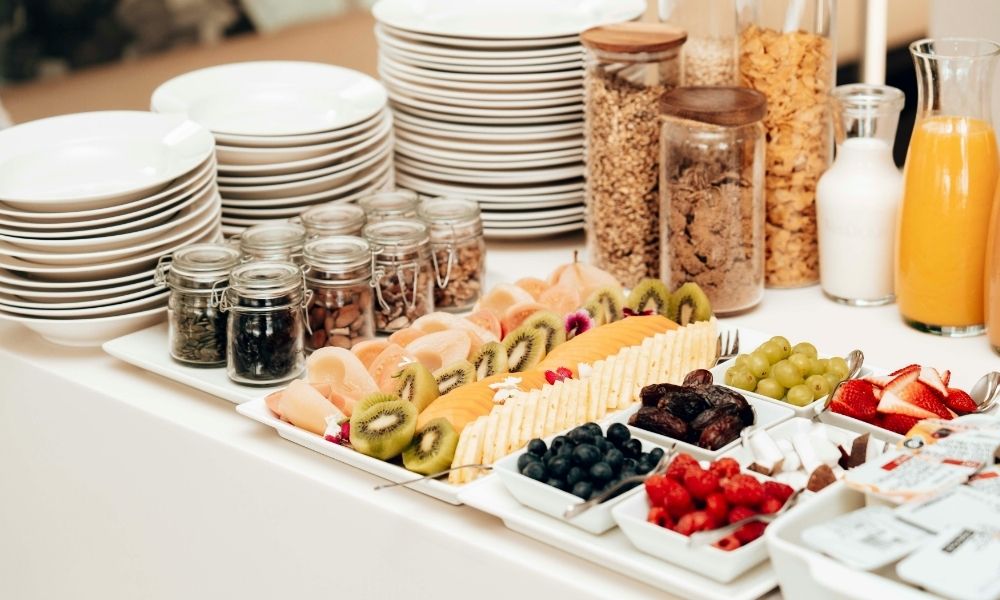
Think of food as “natural medicine” – it provides fiber, vitamins and antioxidants to nourish the gut microbiome, preventing cancer cells. Vietnamese and international studies recommend a plant-rich diet, reducing the risk of 70% if combined with a healthy lifestyle.
Drink enough water: At least 2 liters/day from filtered water, herbal tea – keep the colon “soft” and fully hydrated.
Foods to eat for prevention
- Milk and dairy products Low-fat milk, yogurt, and cheese are rich in calcium, which protects the lining of the colon and helps reduce the risk of polyps (small growths in the colon) and colorectal cancer. Some studies suggest that vitamin D (often added to milk) may also help, although more evidence is needed.
- Suggest: Drink 1-2 cups of yogurt per day or eat natural cheese. Choose low-sugar varieties for overall health.
- Whole grains Brown rice, oatmeal, and whole wheat bread are rich in fiber and magnesium, which help the colon function smoothly and eliminate carcinogens.
- Target: Eat about 90g whole grains/day (equivalent to 1 bowl of brown rice or 2 slices of whole wheat bread).
- Suggest: Replace white rice with brown rice or oats for breakfast.
- Beans and nuts Black beans, kidney beans, lentils and soybeans contain fiber, protein, vitamins B, E and flavonoids – substances that help prevent tumor growth.
- Suggest: More red bean in tea, make soy milk, or cook black bean soup as a side dish.
- Colorful vegetables and fruits Cruciferous vegetables, cabbage, broccoli, and fruits rich in vitamin C (such as oranges and guavas) contain phytochemicals, which help fight inflammation and prevent cancer cell growth.
- Suggest: Eat 300-400g vegetables/day, prioritize spinach, cabbage or guava, orange in daily meals
- Fatty fish Salmon, mackerel, and tuna contain omega-3s, which are good for the heart and may slow the growth of cancer cells. However, large fish such as swordfish and shark should be limited because they may contain mercury.
- Suggest: Eat mackerel, basa fish or herring 2-3 times/week, steam or bake to retain nutrients.
Foods to limit
- Red meat Beef, pork, lamb if eaten regularly (more than 500g/week) may increase the risk of colorectal cancer, due to the nature of the meat or carcinogens formed when cooked at high temperatures.
- Suggest: Limit red meat 1-2 meals/week, replace with fish, chicken, or tofu. Avoid burning or deep frying.
- Processed meat Sausages, bacon, ham, and pate contain preservatives or are smoked, increasing the risk of colon and stomach cancer.
- Suggest: Avoid eating industrial ham, sausage or cold cuts regularly. Choose fresh meat, prepare it yourself.
- Ale Moderate drinking (1-2 glasses/week) does not have much effect, but drinking 2-3 glasses/day increased risk of colorectal cancer 20%, heavy drinking (over 3 glasses/day) increases to 40%.
- Suggest: Limit beer, spirits, drink only maximum 1 small glass/weekIf you drink heavily, talk to your doctor about cancer screening.
Food of unknown impact
Some foods like coffee, tea, sugary drinks, potato or garlic Research is still underway to determine its role in causing or preventing colorectal cancer. Currently, the evidence is not clear, but you should still consume it in moderation.
How to prevent effectively?
In addition to choosing the right foods, you can protect your colon by:
- Regular screening: Colonoscopy from 45 years old, earlier if there is a family history of cancer.
- Do exercise: 30 minutes/day, 5 days/week (walking, cycling, yoga).
- Maintain a healthy weight: Being overweight increases the risk of cancer.
- Track symptoms: Persistent abdominal pain, bloody stools, change in bowel habits – see a doctor immediately!
Conclude
Choosing smart foods is key to reducing your risk of colorectal cancer. Make it a priority yogurt, brown rice, beans, green vegetables, mackerel and limitations red meat, sausages, alcoholCombined with an active lifestyle and regular screening, you will effectively protect your colon health.
In Vietnam, colorectal cancer is getting younger, so don't be subjective! If you have any questions or unusual symptoms, please contact us.
Data sources:
- Globocan 2022 (updated 2024): IARC – Globocan.
- Nutritional recommendations from the World Health Organization (WHO) and the American Cancer Society.