A real-life case illustrates the benefits of early screening
I received a 48-year-old male patient who came for a routine health check-up. As usual, for the past 3-4 years, he was advised to have a colonoscopy to screen for cancer according to his age. After much procrastination, he decided to do a colonoscopy this time.
After the colonoscopy, he shared: “The procedure was more comfortable than I expected, I slept and it was done, no pain at all.” The results showed 5 polyps – pre-cancerous tumors, including a large polyp. All of the polyps were removed during the examination, preventing the risk of progression to cancer. Thanks to that, he avoided complicated surgery and now only needs regular monitoring. This story shows that screening is not only simple but can also save lives effectively.
Official recommendation: Start at age 45
According to the latest guidelines from the American Cancer Society, everyone 45 and older should start screening for colorectal cancer, even if they have no symptoms. Previously, the recommended age was 50, but recent studies have shown that the disease is appearing in younger people, even under 50. In Vietnam, this trend is also evident, with many cases being diagnosed earlier.
There are several suitable screening methods:
- Colonoscopy: Most comprehensive, allowing immediate detection and removal of polyps.
- Fecal occult blood test (FIT test): The patient takes a small stool sample to test for hidden blood that is not visible to the naked eye. A positive result requires a colonoscopy to find the cause, usually done annually.
- Virtual colonoscopy (CT colonography): Using abdominal CT scan to recreate 3D image of colon, detect polyps without inserting endoscope into anus. Patients only need to take laxatives beforehand, pump light air into colon, lie down for 5-10 minutes to take the scan - safe, painless.
People should consult their doctor to choose the right method, especially if there is a family history of the disease (starting earlier than 45 years of age and recurring more often).
Why is screening important?
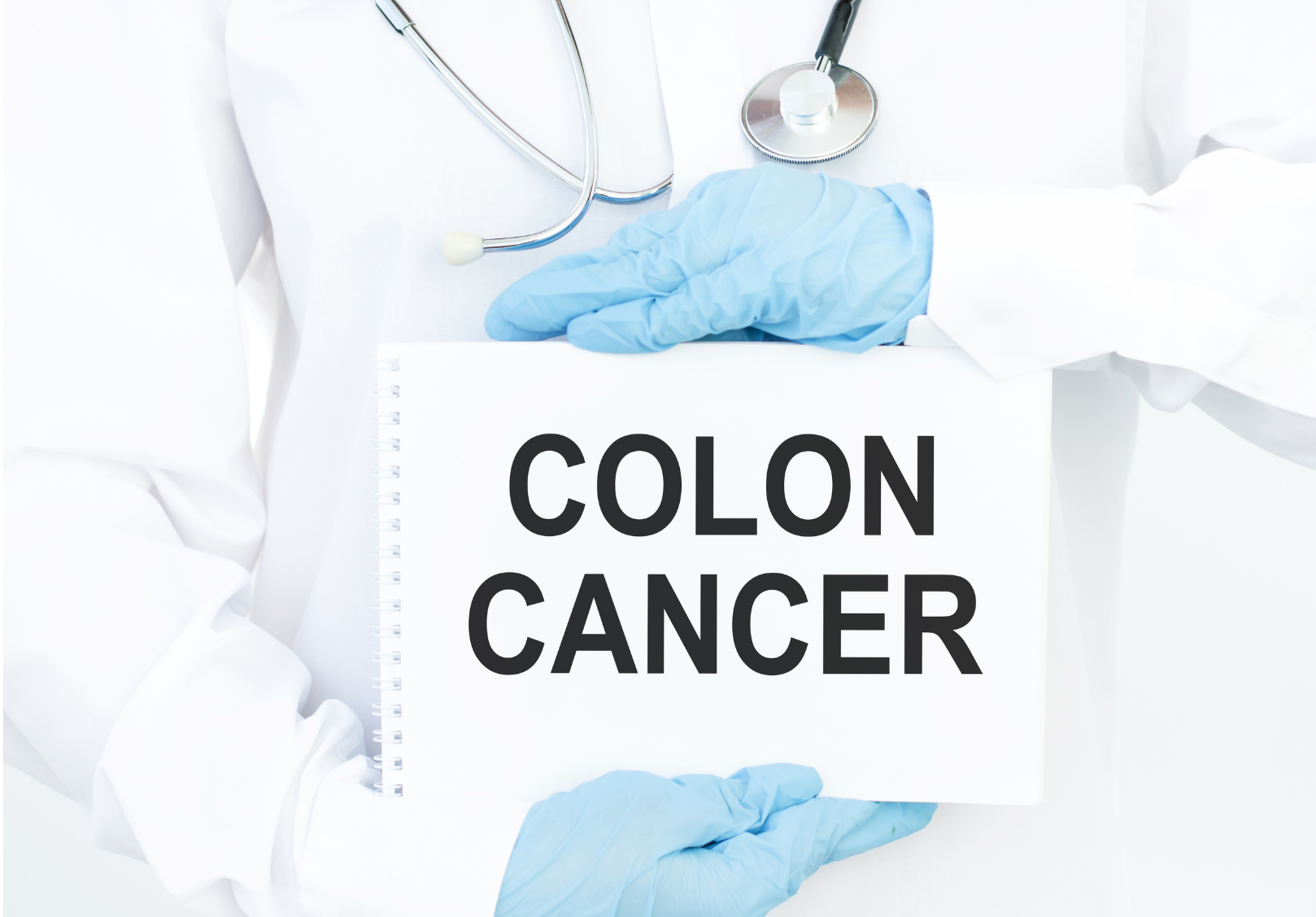
Colorectal cancer is one of the most common cancers, ranking third in cases and second in deaths globally (according to WHO). However, it is the most preventable cancer if detected early. Polyps – benign tumors – can exist for many years without causing symptoms, but they are “precursors” to cancer. Screening helps remove polyps before they become malignant, reducing the risk of cancer by up to 90%. If cancer is detected early, the cure rate exceeds 90%, with less invasive treatment and lower costs.
Think of screening like a routine checkup for your house: You don’t wait for the roof to break down before fixing it, but you get it checked out every year to avoid disaster. Similarly, colonoscopy helps proactively “maintain” your digestive system.
Clearing up common misconceptions
Many people are hesitant to get screened due to misconceptions. Here are some points to clarify:
- “No one in my family has it, so I don't need to worry”: False. About 75-90% cases of colorectal cancer occur in people with no family history. Everyone 45 years of age and older should be screened.
- “I go to the toilet normally, have no stomachache so I am healthy”: Not true. Polyps and early cancers often do not cause obvious symptoms such as diarrhea, constipation or bleeding. Many of my patients feel completely normal but still discover problems during endoscopy.
- “This cancer is rare and not dangerous”: In fact, it is the leading cause of death in many countries, but regular screening can reduce mortality by 60-70%.
Advice from doctors
Your health is your most precious asset! If you are 45 or older, schedule a screening today. Modern endoscopy is safe, quick (about 20-30 minutes), and virtually painless under light anesthesia. Don’t wait for symptoms – act early to protect yourself and your family.