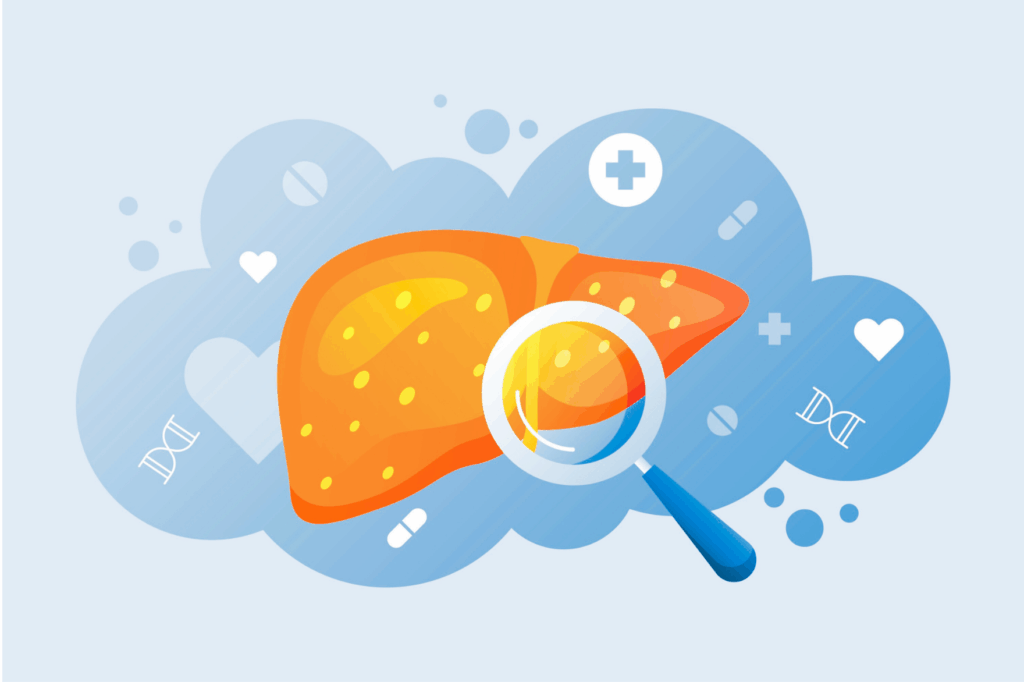
Many people still think: "Only drinking a lot of alcohol can cause liver disease". In fact, it is completely the opposite!
In Vietnam, about 20–251 TP3T adults have fatty liver (increased from ~101 TP3T to this level in the past 10 years), mainly due to the habit of eating a lot of starch, sweets, little exercise and increasingly "hypertrophied" waistline and >901 TP3T not due to alcohol. This is non-alcoholic fatty liver disease – the new name globally is MASLD (fatty liver related to metabolic disorders) and when there is severe inflammation it is called MASH.
- MASLD fatty liver and hepatitis by What is MASH fatty liver?
- MASLD (formerly known as NAFLD): a condition in which fat accumulates in the liver due to metabolic factors such as being overweight, high blood sugar, high blood lipids, high blood pressure.
- MASH (formerly called NASH): when the liver is not only fatty but also inflammation and can leave scars (cirrhosis). This is a more serious stage, which can progress to cirrhosis or even liver cancer if not well controlled.
If you have both metabolic fatty liver and drink a lot of alcohol, it is called MetALD (both reasons).
- Who is susceptible? Fatty liver disease?
More than 80–90% of people with steatohepatitis have at least one of the following factors (usually a combination of factors):
- Overweight, obesity (especially abdominal fat)
- Type 2 diabetes or prediabetes (insulin resistance)
- High blood fat (high triglycerides, high bad cholesterol)
- High blood pressure
The above quartet is called metabolic syndrome – “soldiers” often go together and are also the leading cause of severe fatty liver in our country today.
- Common symptoms
Extremely “silent”! Most people no obvious symptoms. A few may see:
- Prolonged fatigue, lethargy
- Mild pain in the right subcostal region (liver area)
- Flatulence, indigestion
Therefore, the disease is often only detected during a routine health check-up or abnormal blood test.
- How do I know if I have it? Fatty liver disease?
The doctor will do a series of tests in the following order:
- Testing blood: Liver enzymes ALT, AST can increase slightly or clearly, but there are also cases where liver enzymes are normal even though the liver is inflamed (MASH).
- Abdominal ultrasound: liver is bright (fatty), but ultrasound cannot distinguish between simple fatty liver or fatty hepatitis.
- Liver stiffness measurement (FibroScan): non-invasive method to know if the liver is severely cirrhotic or not.
- Liver biopsy (rarely required): indicated when it is necessary to accurately determine the degree of inflammation and fibrosis, or when other causes are suspected (viral hepatitis, autoimmune...).
- Treatment – What to do to make the liver healthy again?
The good news is: Fatty liver disease It is possible to improve and even return to near normal. if we change our lifestyle properly.
- A. Things to do immediately (most important)
- Lose weight slowly and sustainably
- Lose 5–10% weight → liver fat is significantly reduced.
- It is best to lose 0.5–1 kg/week (losing too quickly is harmful to the liver).
- Combine healthy eating + regular exercise 150 minutes/week (brisk walking, cycling, swimming… are all fine).
- Control blood sugar, blood fat, blood pressure
- Take medication regularly if you have diabetes or high blood fat (medications such as Statins are generally safe and have superior benefits., but need to be monitored regularly by a doctor).
- Eat bland food, reduce fried foods, limit white rice - cakes - soft drinks.
- Limit alcohol completely (Alcohol is the "number 1 enemy" of an inflamed liver).
- Vaccination
- Hepatitis A, hepatitis B (if not immune) for additional liver protection.
- B. Current medications
- Vitamin E (800 IU/day): sometimes doctors use it for people with severe fatty liver disease, without diabetes. However, This treatment dose must be prescribed by a specialist and closely monitored, do not use it on your own.
- Resmetirom: New drug approved by FDA 2024, under testing and not yet popular in Vietnam.
- Some diabetes medications (such as pioglitazone, semaglutide) are also very effective in reducing liver fat.
- Prognosis – Is the disease dangerous?
- Fortunately, most people with simple fatty liver will no progression, life expectancy is almost normal.
- About 10–25% people with fatty liver disease, if not controlled, will progress to cirrhosis after 10–20 years, or even liver cancer.
Great news: Just lose weight + exercise regularly, liver enzymes can return to normal in 3-6 months, and the risk of cirrhosis is greatly reduced!
Final advice from the doctor
The liver is the most “gentle and grateful” organ in the body. We just need to:
- Lose 5–7 kg (if overweight)
- Quit or reduce alcohol
- Exercise regularly, eat lots of vegetables and fish, and less bad starch.
→ The liver will have a great ability to regenerate itself. This is the cornerstone of treatment, which may help reduce or delay the need for additional liver-specific medications. However, medications to treat underlying diseases such as diabetes and hyperlipidemia still need to be maintained as prescribed.
Go for regular check-ups every 6–12 months (blood tests, ultrasounds) for close monitoring.
Wish everyone always have a healthy liver!
Dr. TRAN PHUONG THAO, USMLE Step 3, General Internal Medicine, Gastroenterology, Hepatobiliary