What is high blood pressure and why should you care?
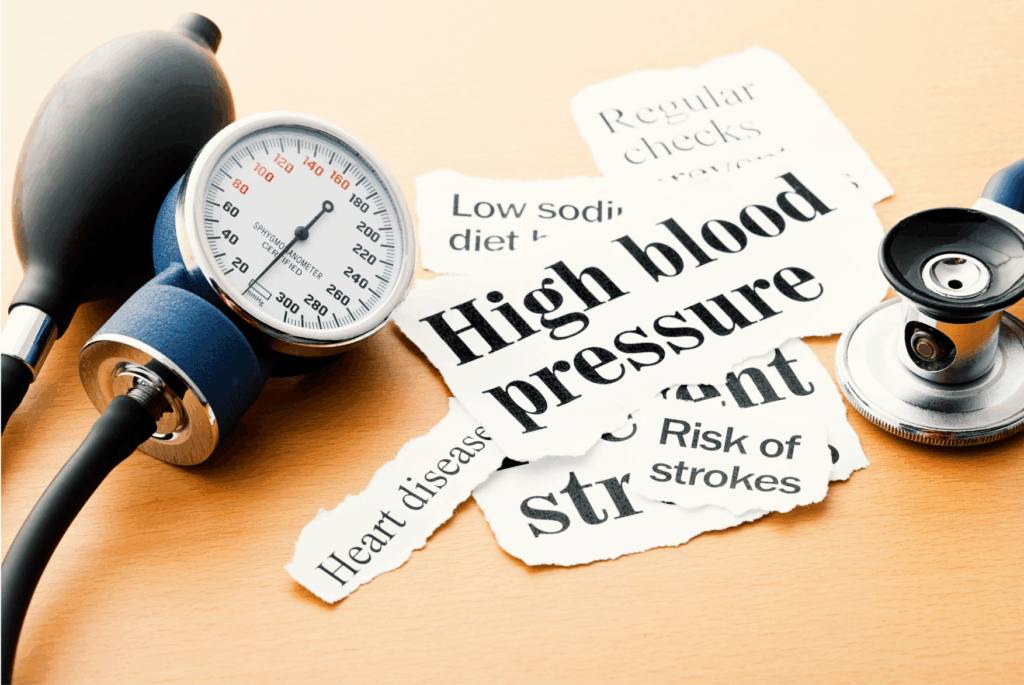
High blood pressure (also known as hypertension) is a very common condition, but if not well controlled, it can lead to many serious complications such as stroke, heart failure, heart attack, kidney failure and dementia. Worldwide, high blood pressure is the leading risk factor for death from cardiovascular disease.
Fortunately, we can effectively lower blood pressure by making lifestyle changes: eating healthy, exercising regularly, and losing weight (if overweight/obese). Each lifestyle change has its own benefits. have their own positive contribution, But The effectiveness will be multiplied most strongly when they are combined synchronously.However, lifestyle changes often only reduce blood pressure moderately, so many people still need additional medication to reach their target blood pressure.
How is blood pressure measured?
Blood pressure is recorded as two numbers:
- Top number (systolic blood pressure): pressure in the blood vessels when the heart contracts.
- Bottom number (diastolic pressure): pressure when the heart rests between beats.
Blood pressure classification table according to the Ministry of Health
Based on the 2024 Guidelines for Diagnosis and Treatment of Hypertension of the Vietnam Hypertension Association and the Vietnam Cardiology Association (*), this disease is divided into levels based on the following reference value table:
| Blood pressure measured in clinic (mmHg) | Self-measured blood pressure at home (mmHg) | |
| HA does not increase | HATT <120 and HATTr <70 | HATT <120 and HATTr <70 |
| Pre-hypertension | HATT 120-139 or HATTr 70-89 | HATT 120-134 or HATTr 70-84 |
| Increased blood pressure | HATT ≥140 or HATTr ≥90 | HATT ≥135 or HATTr ≥85 |
Note: HATT = systolic blood pressure; HATTr = diastolic blood pressure.
(*) https://timmachhoc.vn/phac-do-53-chan-doan-va-dieu-tri-tang-huyet-ap/
Anyone with mildly elevated or high blood pressure needs to make immediate lifestyle changes. Your doctor will consider prescribing medication if you have stage 2 or stage 1 hypertension with heart disease or a high heart risk.
Changing your diet – the strongest “medicine” that doesn't require a prescription
- Reduce salt (sodium)
- Salt is the "culprit" that increases blood pressure.
- Most of the salt we eat does not come from the salt shaker on the dining table but from processed foods, canned foods, fast foods, and concentrated fish sauces/dipping sauces.
- The ideal goal for heart health is less than 1,500 mg sodium/day, however, a realistic and widely recommended goal is less than 2,000 mg sodium/day (equivalent to 5 grams of salt). Let's start with this goal.
- Increased potassium (unless you have kidney disease)
- Potassium helps counterbalance the harmful effects of salt.
- Foods rich in potassium: bananas, oranges, sweet potatoes, spinach, tomatoes, beans, fish…
- Limit alcohol
- Men: no more than 2 units of alcohol/day.
- Women: no more than 1 unit/day. (1 unit = 350 ml beer or 150 ml wine or 30 ml spirits)
- Drinking too much and drinking in a row is very dangerous for blood pressure.
- Eat lots of vegetables and fiber
- Goal: at least 5 servings of fruits and vegetables/day.
- Fiber (20–35 g/day) helps lower blood pressure and is good for the intestines.
- Eat fish 2-3 times/week
- Especially marine fish rich in omega-3 (salmon, mackerel, tuna…).
- Cut down on excessive caffeine
- People who are not used to drinking coffee may experience a temporary increase in blood pressure.
- For regular drinkers, the effects may be less pronounced. However, to be safe, you should monitor your own blood pressure response after drinking coffee and limit if blood pressure increases.
- DASH diet – the “golden weapon” to control blood pressure
- DASH = Dietary Approaches to Stop Hypertension.
- Characteristics: lots of fruits and vegetables, whole grains, low-fat dairy, little red meat, little saturated fat and sweets.
- When combining DASH + salt reduction → can reduce systolic blood pressure by 11–12 mmHg (equivalent to the effect of one drug).
Exercise regularly
- Aerobic exercise (brisk walking, jogging, cycling, swimming): 150–300 minutes/week of moderate intensity or 75–150 minutes/week of vigorous intensity.
- Combine weight training/strengthening exercises 2 sessions/week.
- Just walking briskly 30 minutes a day, 5 days a week can help reduce blood pressure by 4–9 mmHg.
- Most importantly: it must be sustainable.
Lose weight if overweight/obese
- Just lose about 5% of body weight (e.g. 4kg for a person weighing 80kg) can significantly lower blood pressure.
- BMI ≥ 23 (in Asians) is overweight, ≥ 25 is obese.
- How to lose weight effectively and sustainably: eat fewer calories + move more.
Things to avoid
- NSAID pain relievers (ibuprofen, diclofenac, naproxen…) can increase blood pressure.
- Oral contraceptives (in some people).
- Decongestants, diet pills, stimulants (including narcotics). → Tell your doctor about all medications and supplements you are taking.
Get enough sleep
- Sleep 7–9 hours every night.
- Long-term sleep deprivation increases the risk of high blood pressure.
What if I change my lifestyle but my blood pressure is still high?
→ You may need to take additional blood pressure medication. There are many safe and effective medications available. Your doctor will choose the one that is best for you.
In Summary – What Can You Do Today?
- Measure your blood pressure regularly at home.
- Significant salt reduction (less than 5 g salt/day).
- Eat lots of vegetables and fruits, at least 500–800 g/day.
- Walk briskly for 30 minutes every day.
- If overweight, try to lose 3–5 kg in the first 3 months.
- Get enough sleep and limit alcohol.
Just by consistently making these small changes, you can completely control your blood pressure well, significantly reducing the risk of stroke and heart attack – without having to rely completely on medication!
Wish you always healthy!