Colonoscopy may sound scary, but don't worry! It's a simple, safe, and usually painless procedure. Most people don't even remember it because they're under light anesthesia. The most uncomfortable part is probably the preparation before the colonoscopy. This article will help you understand colonoscopy, how to prepare, and what to expect in an easy-to-understand, easy-to-remember way.
What is colonoscopy?
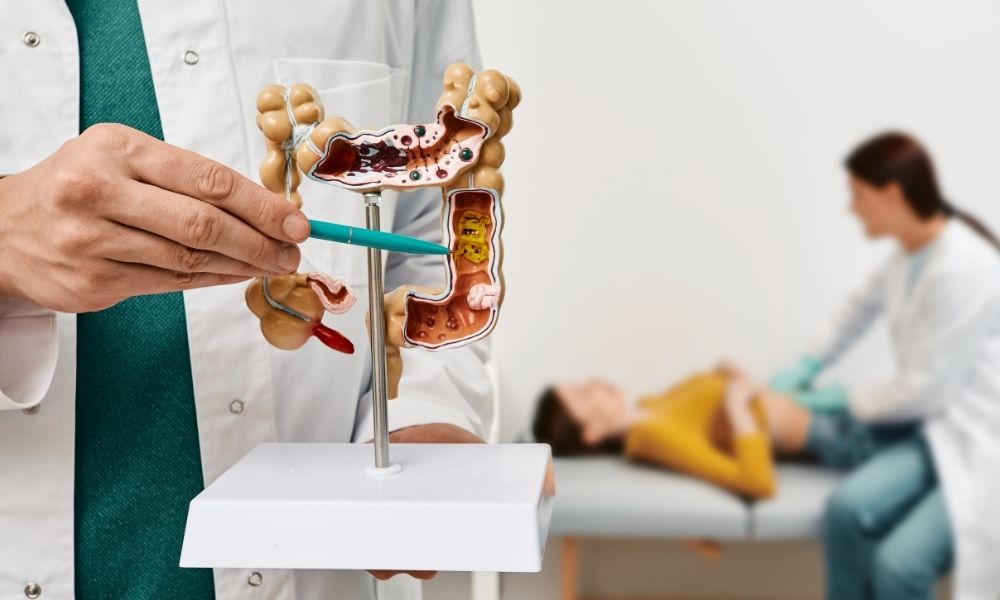
Colonoscopy is a procedure in which a doctor uses a small tube with a camera to examine the inside of the colon and rectum. This procedure helps:
- Find the cause symptoms such as abdominal pain, bloody stools, or changes in bowel habits.
- Detection and prevention of colorectal cancer by removing small tumors called polypMost polyps are benign, but some can progress to cancer if left untreated.
Who should have a colonoscopy? In Vietnam, doctors recommend starting regular endoscopy from 45 years old to prevent colorectal cancer, especially if you are at high risk (e.g., have a family history of colorectal cancer). According to Globocan 2022, Vietnam recorded nearly 17,000 new cases of colorectal cancer each year, with a rapidly increasing trend, especially among young people due to modern lifestyles.
Preparation before endoscopy
For the colonoscopy to be effective, your colon needs to be completely cleaned out. Here are the steps to follow:
- Inform your doctor about your health condition
Tell your doctor if you have any of the following problems:
- Pregnant.
- Kidney, lung, or heart disease.
- Allergic to any medication.
- Are taking diabetes medication or blood thinners (such as aspirin). Your doctor may want to adjust your medication before your endoscopy.
- Change your diet
In 24-48 hours before endoscopy, you need:
- Avoid eating solid foods (rice, meat, raw vegetables).
- Use only clear liquid foods. like:
- Filtered water, fruit juice without sediment.
- Broth, soup.
- Tea, coffee without milk.
- Sports drinks (like Pocari Sweat).
- Colon cleansing
Your doctor will prescribe medication or give you instructions for bowel cleansing, which often include:
- Take laxatives (such as polyethylene glycol) to stimulate bowel movements. This medication is usually taken the night before the procedure or in two divided doses (the night before and the morning of the procedure).
- Enema (enema) to clean the rectum, if needed.
Follow your doctor's instructions exactly to ensure a clean colon, allowing for an accurate endoscopy.
- Arrange for pick up
You will be lightly sedated during the endoscopy, so you will not be able to drive or operate machinery for at least 8 hours after the procedure. Ask a relative or friend to drive you home.
Colonoscopy procedure
During endoscopy
- You will lie on your left side on the examination table.
- The doctor injects a sedative into a vein (IV) so you are lightly asleep and feel no discomfort.
- A thin tube (about 1cm in diameter, with a camera and light attached) is inserted into the rectum. This tube allows the doctor to clearly observe the lining of the colon.
- The doctor may pump air into the colon to get a better view.
- If polyps are found, your doctor may:
- Polyp removal right away.
- Tissue sampling (biopsy) to check for cancer cells.
The procedure only lasts 20-30 minutes.
After endoscopy
- You will rest in the recovery room for about 30-60 minutes to stay awake.
- You may feel a little bloated or have mild cramps from the gas being pumped into your colon, but this will pass quickly.
- You can eat and drink normally immediately after leaving the hospital, unless your doctor tells you otherwise.
- If a polyp is removed or biopsied, your doctor may ask you to avoid taking blood thinners (such as aspirin) for 1-2 days.
Things to note after endoscopy
Colonoscopy is very safe, but rare complications such as bleeding or perforation of the colon can occur. Contact your doctor immediately If you encounter:
- Heavy or prolonged bleeding.
- Severe abdominal pain.
- Fever or chills.
How to prevent colorectal cancer?
Colonoscopy is the most effective way to detect and prevent cancer early. In addition, you can reduce your risk by:
- Eat healthy: Increase green vegetables and fruits, limit red meat and processed foods.
- Do exercise: 30 minutes a day, 5 days a week.
- Limit alcohol and quit smoking.
- Regular health check-ups: Especially if you have a relative with colon cancer.
Conclude
Colonoscopy is not as scary as you think! It is an important tool for protecting your health, helping to detect polyps early and prevent colorectal cancer. Just prepare well, follow your doctor's instructions, and you will undergo the procedure easily.
If you are over 45 or have unusual symptoms (abdominal pain, bloody stools), do not hesitate to see a doctor. Early detection can save your life!
Data sources:
- Globocan 2022 (updated 2024) on colorectal cancer rates in Vietnam: IARC – Globocan.
- Information from K Hospital and Ho Chi Minh City Oncology Hospital on the number of cases: Vietnam Public Health Report 2024.